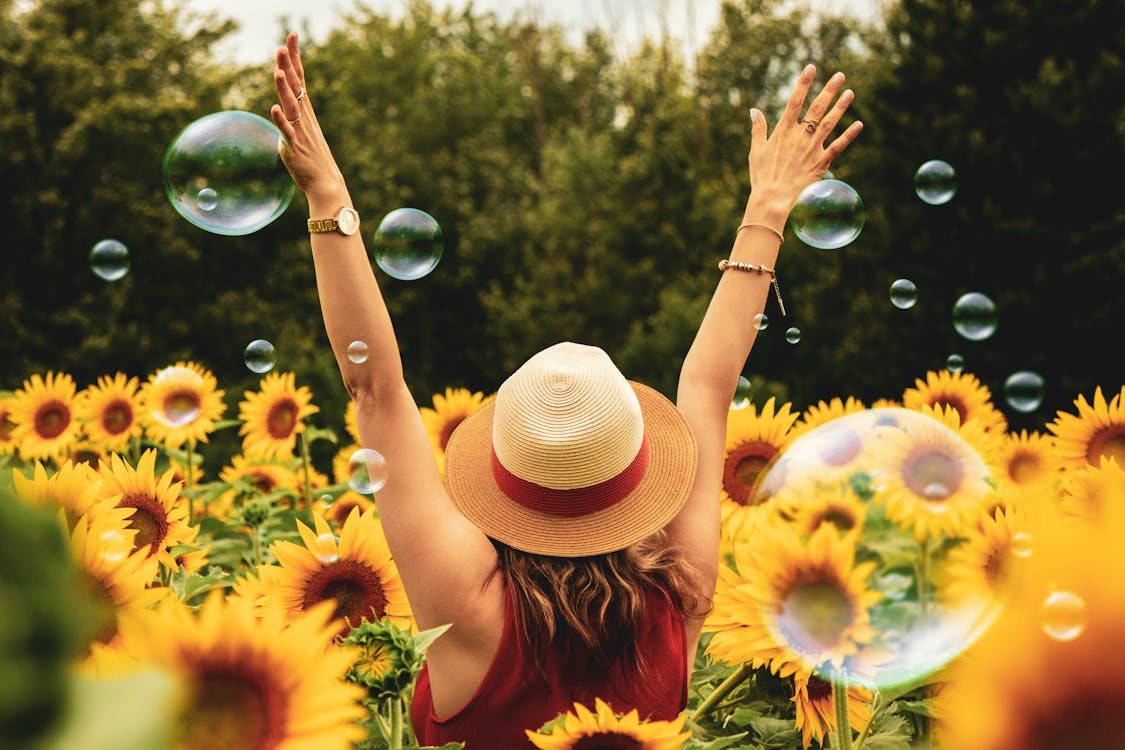
In our fast-paced world, it’s easy to be our own harshest critic. I’ll admit, I’m guilty of it. We set high expectations, replay mistakes in our minds, and compare ourselves to others. But kindness isn’t just for the people around us. I believe it starts from within.
I read that learning to be kind to yourself can improve your mental health, boost confidence, and enhance overall well-being. So here are ten simple ways to practice self-kindness every day:
Speak to yourself like you would to someone else.
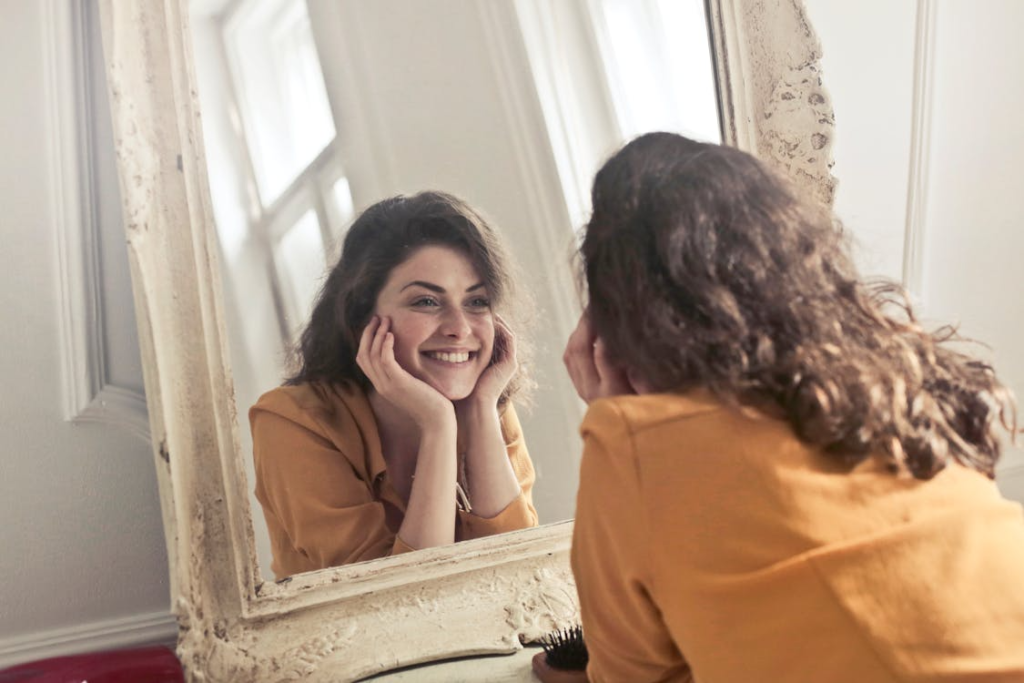
We’re often compassionate to our family and friends but criticise ourselves mercilessly. If your best friend made a mistake, you wouldn’t call them useless or a failure, right? Next time you catch yourself being mean to yourself and thinking “I’m not good enough”, ask yourself if you would say this to someone else.
For me, I picture speaking to my younger self. I don’t think she deserves to hear that mean statement, so I rephrase it as “I could have done better, but I can take this as a learning curve.”
Take breaks without feeling guilty.
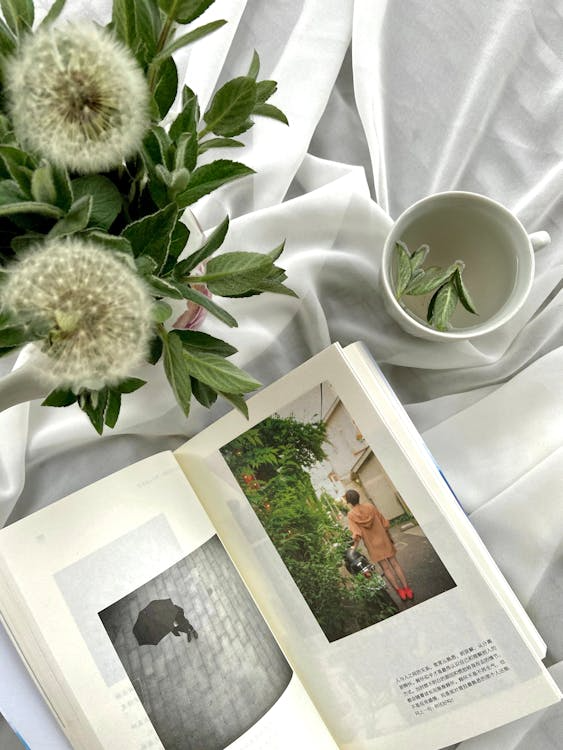
Contrary to popular belief, resting isn’t being lazy. It’s quite necessary for productivity and our overall well-being. Whenever you’re exhausted, give yourself permission to pause for a minute or two.
I usually take a break by going on TikTok or scrolling Instagram reels.
Learn how to say no.
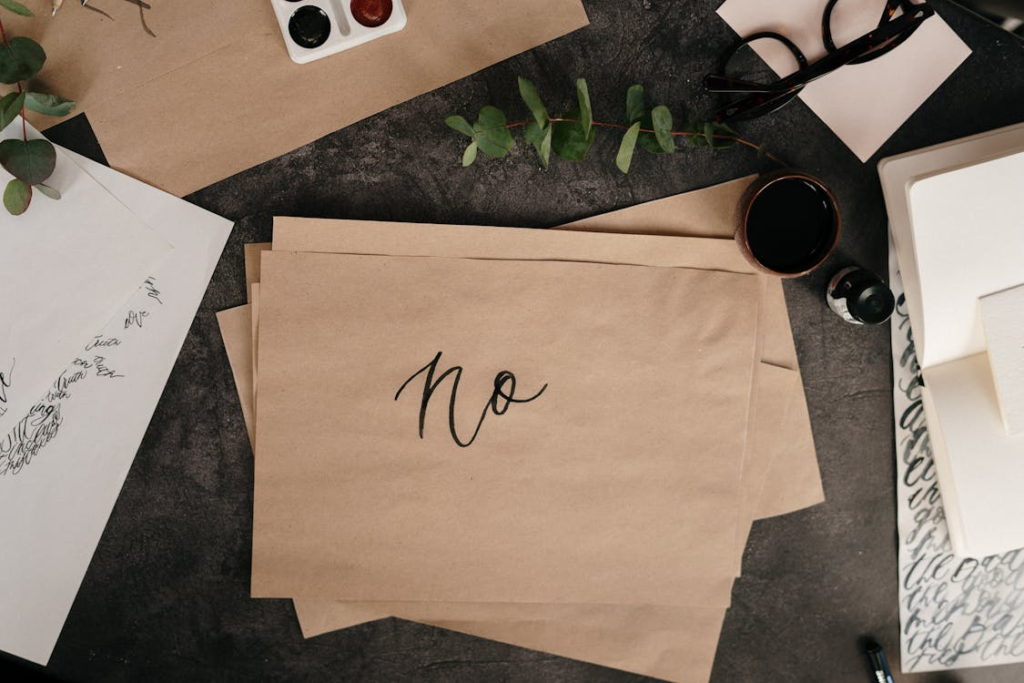
As the lazy cliche of an oldest child, I have been a people pleaser for a huge chunk of my life. Here’s what I’ve learned: overcommitting can lead to stress and eventually, burnout. Sometimes you need to say no in the name of self-care. It’s not selfish, I promise you.
Celebrate small wins.
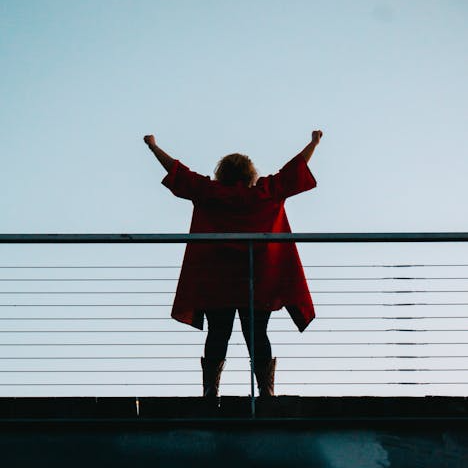
Don’t wait for big achievements to allow yourself to feel proud. Every step forward, however small, deserves recognition. Instead of thinking you should have done more, recognising your little victories can help build confidence and motivation.
Maybe you could reward yourself for finishing chores with an extra hour of TV, or maybe some chocolate for simply making it through a tough day. That’s what I do, but I may have a chocolate addiction though.
Limit comparison.
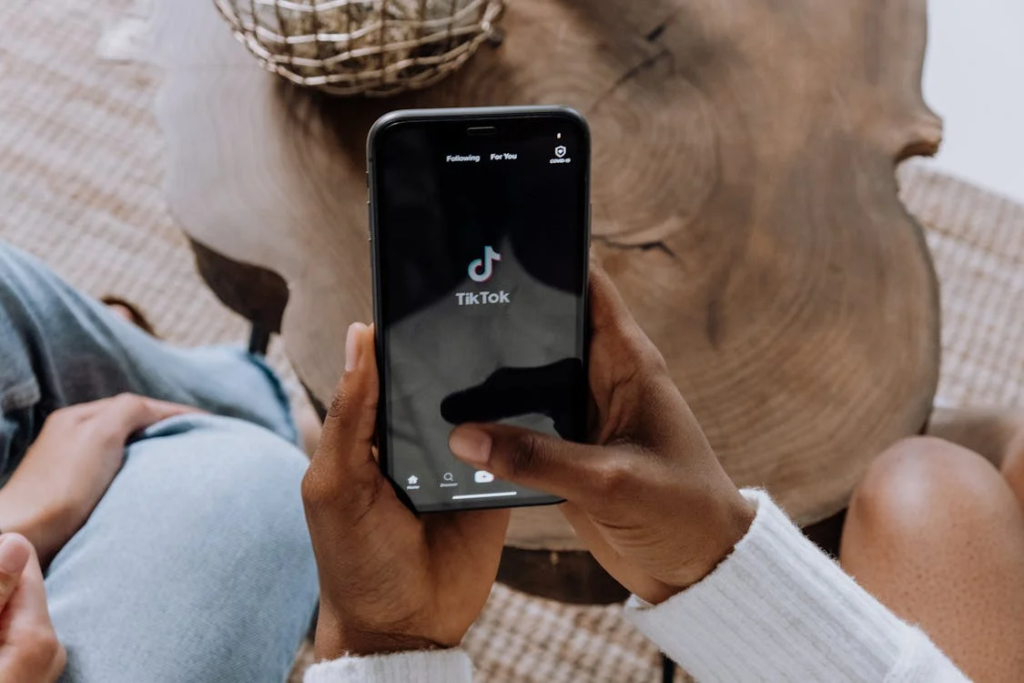
Scrolling through curated highlights of other people’s seemingly perfect lives on social media can make us feel like we’re not doing enough. Always remember that social media is just a beautified reality where people share their achievements and not their struggles.
If social media makes you feel any negative emotion (sadness, anger, jealousy, pain), limit your time on there or unfollow and block accounts that don’t inspire positivity. The beauty of social media is that you’re in your own bubble. The algorithm makes sure of it.
Feed yourself without judgment.

Food isn’t just fuel. It’s meant to nourish and be enjoyed. There’s no such thing as “good” or “bad” food. Eat whatever makes you happy, as long as it’s in moderation. Because too much of anything will make you sick.
Instead of worrying about how eating cake would cause weight gain or even diabetes, just enjoy your slice of sweet treat without guilt. After all, you’d feel better with that yummy goodness in your mouth.
Stop apologising unnecessarily.
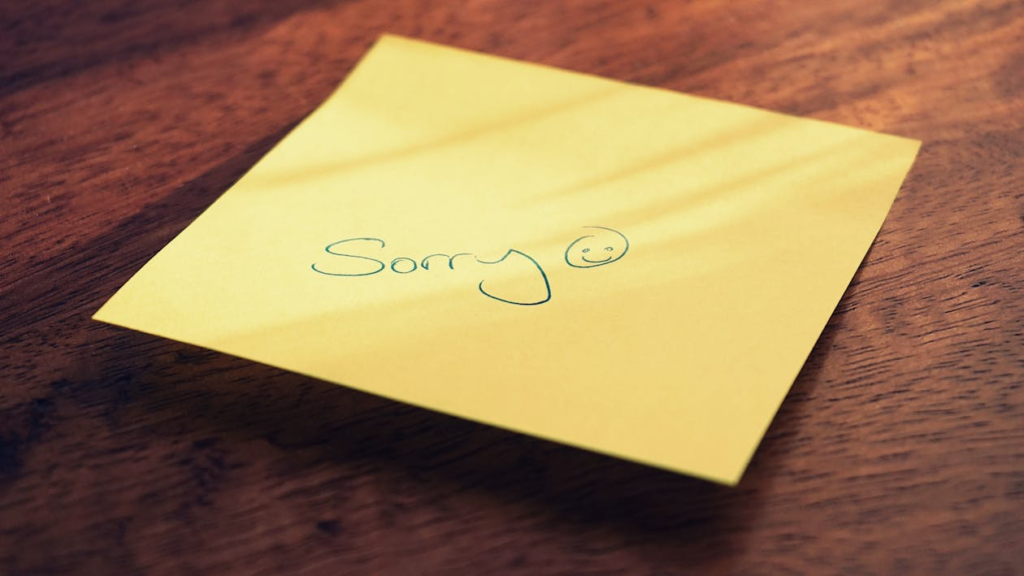
It’s good to say sorry when you’ve done something wrong, but over-apologising can make it feel like everything is your fault, even when it’s not. I saw this post on LinkedIn a while ago that completely changed how I acted at work, and eventually in general. The post said to change all your sorrys with thank yous. For example, say “Thanks for your time.” instead of “Sorry to bother you.”
Now, every time I’m late, I don’t apologise for being late, but rather, I thank the other person for waiting for me. I’d also try not to be late though. As a former people pleaser, it helps to think that you and other people are equally important.
Do something fun, just for fun.

Not everything in your life needs to be productive. Sometimes, it’s important to do things just because they bring joy. Whether it’s drawing, singing, or just catching up on the latest Netflix show, you should take time to do something just for the heck of it.
I learned this quite recently too, because I was someone who always chased productivity. I had to know everything, do everything, learn everything. Only when I took time to do things for funsies, I realised that there’s so much more to life. These contribute to self-development in ways I never imagined.
Surround yourself with positive people.

My parents often say that the people around you can influence how you feel about yourself. I never knew what they meant until I was surrounded by people who were so pessimistic it hurt. I’m talking about people who think so lowly of themselves and other people.
It was when I distanced myself from those people for my mental health and spent more time with friends who uplifted and supported me did I realise the importance of my environment and who I let into my life. It really could make or break you.
Remember that you’re enough.
It can be hard, I know, but it’s really important that we occasionally remind ourselves that we’re enough just as we are and don’t need to be perfect to be worthy. Our flaws make us who we are.
When it gets hard (on one of those days, you know), try writing down positive affirmations and read them back to yourself daily. Maybe a sticky note on your mirror that you see before you leave home. It makes all the difference.
Being kind to yourself is very necessary and not at all selfish. When you treat yourself with kindness, you build confidence, reduce stress, and create a more positive mindset. Start small, practice daily, and remember that we deserve the same kindness we give to others.