


We’ve all been there—waking up feeling completely drained, overwhelmed, or just not ourselves. Instead of allowing ourselves a break, we push through because we’re afraid of being judged or falling behind. While taking a sick day for physical illness is widely accepted, taking a mental health day is still met with skepticism.
It’s time to change that. Normalising mental health days is not only beneficial for individuals but also for workplaces, schools, and society as a whole. Here’s why:
Mental Health is Just as Important as Physical Health

Imagine you wake up with a fever and a pounding headache. You wouldn’t think twice about calling in sick, right? But what if instead, you wake up with crippling anxiety or overwhelming stress? That should be just as valid a reason to take a break.
Our mental and emotional well-being directly impact our ability to function. Stress, burnout, and anxiety can weaken our immune systems, affect our decision-making, and reduce productivity. Taking a day off allows us to reset before we hit a breaking point.
Preventing Burnout Leads to Long-Term Success
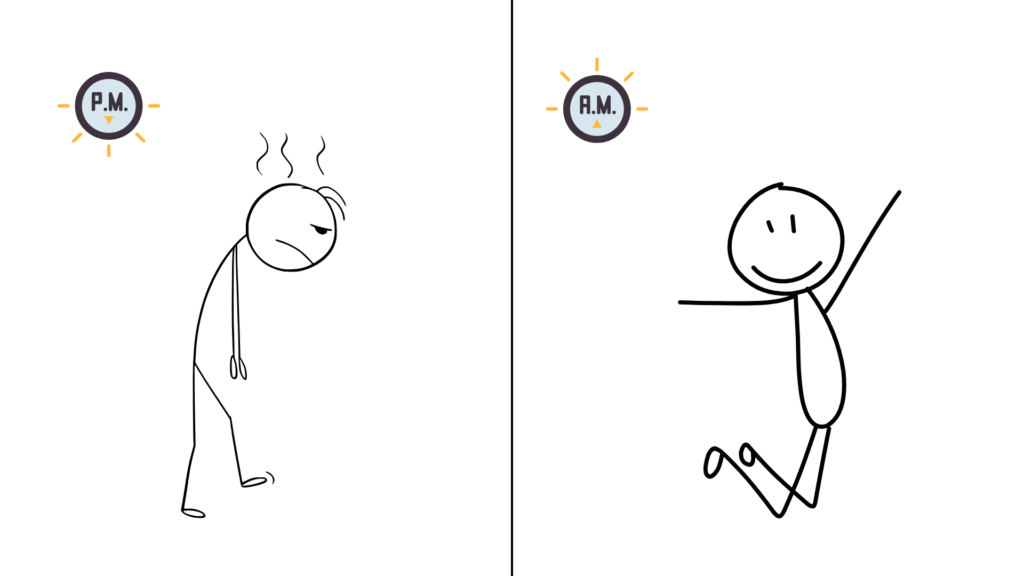
Burnout is real, and it doesn’t just disappear by ignoring it. In fact, prolonged stress without breaks can lead to severe exhaustion, decreased motivation, and even physical illness. As I’m writing this, I’m in the midst of one I’m struggling to shake off.
Taking a mental health day can prevent burnout by giving you time to step back, reflect, and practice self-care. Whether it’s catching up on sleep, practicing mindfulness, or simply doing something enjoyable, a break can help you return to your responsibilities with a clearer mind.
It Reduces Stigma Around Mental Health

One of the biggest barriers to mental health care is stigma. Many people fear being labeled as weak or lazy for taking time off for their mental well-being. But the more we normalise mental health days, the more we encourage open conversations about emotional well-being.
When workplaces, schools, and society support mental health, people feel safer seeking help and taking proactive steps to care for themselves.
Increased Productivity and Creativity

Contrary to the belief that taking a day off makes you less productive, it actually does the opposite. When you’re mentally exhausted, your efficiency and creativity suffer. A short break can help clear your mind, improve focus, and enhance problem-solving skills.
A study by the World Health Organization (WHO) found that for every $1 invested in mental health initiatives, there’s a $4 return in productivity. Taking care of your mental wellbeing isn’t slacking off—it’s a strategic move for long-term success.
Encouraging Self-Care and Healthy Boundaries

Many of us feel guilty for taking time off, but prioritising mental wellbeing teaches us an important lesson: self-care is not selfish. It’s necessary.
Setting boundaries, knowing when to step back, and understanding that rest is productive are skills that help us lead balanced and fulfilling lives.
Ways to Spend a Mental Health Day
- Sleep in and rest
- Practice meditation or mindfulness
- Exercise or go for a walk
- Read a book or watch your favourite show
- Connect with a loved one
- Do something creative or enjoyable
The key is to do whatever helps you reset and feel better.
Final Thoughts: Let’s Make Mental Health Days Normal
Mental health days should be as routine as sick days. Whether you’re an employee, student, or stay-at-home parent, recognising when you need a break and allowing yourself to take it can improve your well-being and overall quality of life.
Let’s break the stigma and create a culture where taking care of our mental health is seen as a strength, not a weakness.