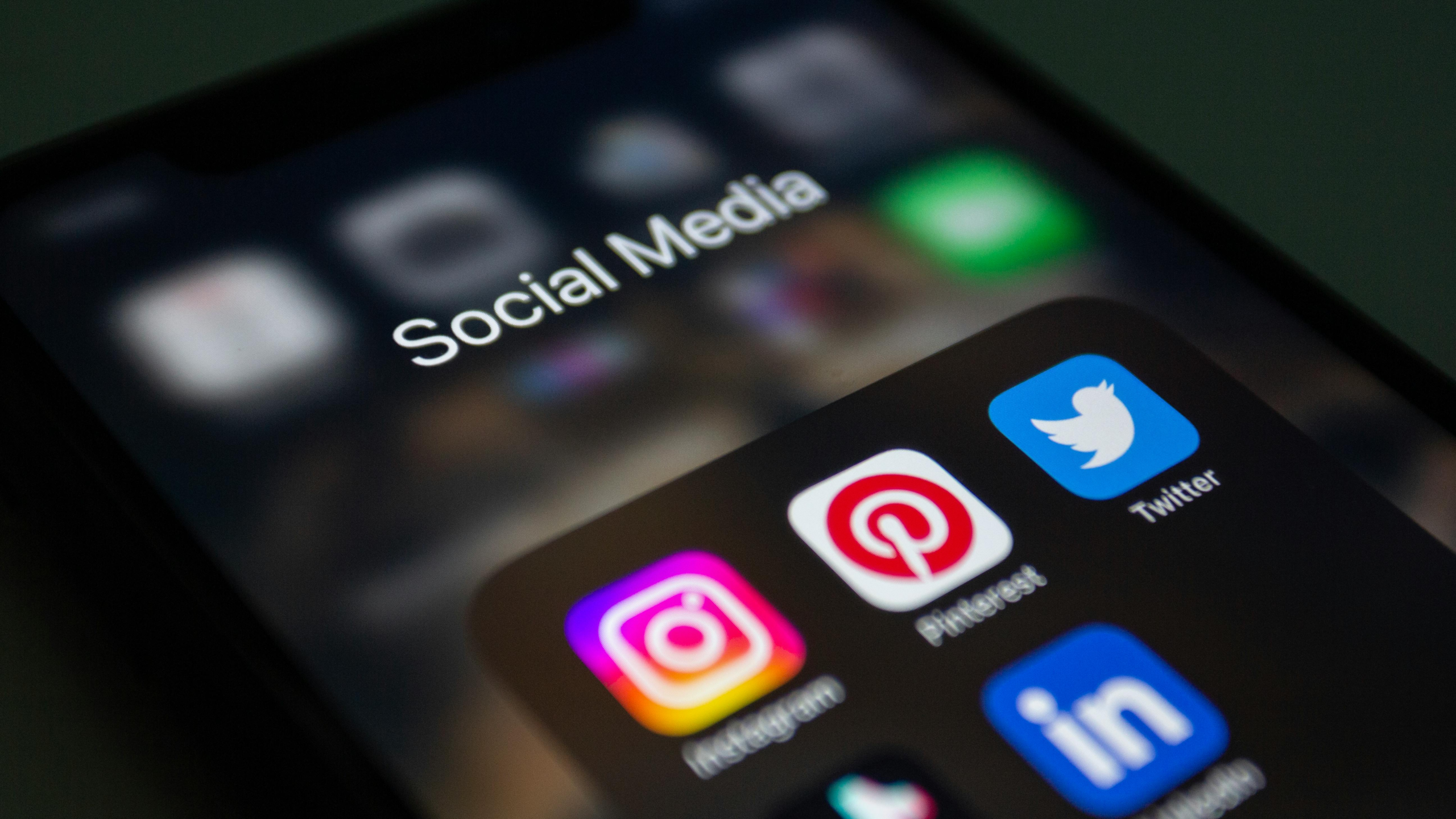
Once upon a time, public opinion was shaped by TV personalities and front-page headlines. Now? It’s tweets, TikToks, memes, and IG carousels fuelling the fire. Social media has gone from “just for fun” to full-on digital battleground, shifting how we talk, think, and even vote.
So let’s break down how it really works.
How Social Media Shapes Opinions
Amplifying Voices (the Good, the Bad & the Viral)
Whether it’s a grassroots activist or a grandma with a hot take, anyone can go viral these days. Social platforms give everyone a mic which can democratise speech, or just turn up the volume on noise.
Echo Chambers & Algorithm Bias
Love a particular viewpoint? Congrats! Your feed is now custom-built to keep confirming it. Algorithms reward what you engage with, which can trap users in one-sided echo chambers. It’s basically confirmation bias in the name of curation.
Speed = Influence
A single post can reach millions in seconds. Great for breaking news, disaster relief, or social justice. But also great for misinformation, hot takes without context, and full-blown digital witch hunts.
Emotional Engagement Wins
Social media thrives on emotion: outrage, joy, fear. That means viral content isn’t always the most accurate. It’s the most emotionally punchy. Think clickbait headlines and teary-eyed reaction videos.
The Perks: Why Social Media Can Be a Force for Good
Activism gets traction.
Movements like #MeToo and #BlackLivesMatter gained global attention thanks to social shares.
Public pressure works.
Brands, politicians, and institutions are now forced to listen (and sometimes even act) when the Internet calls them out.
Diverse stories find space.
Social media has opened the door for underrepresented voices to speak truth to power.
The Problems: When Influence Turns Iffy
Misinformation spreads fast.
Especially when it fits a compelling narrative.
Polarisation deepens.
When we only see views like ours, empathy starts to shrink.
Performative Activism.
Hashtags can trend without actual change—raising awareness is great, but action matters more.
So what now?

Social media isn’t inherently evil or magical. It’s a tool, albeit a loud, messy, powerful one. The key? Digital literacy. Fact-checking. Following a diverse set of voices. Remembering that a trending post isn’t always the whole story.
We’re not passive consumers anymore. We’re participants in the conversation, and that means responsibility comes with every share, like, and retweet.
TL;DR: Social Media Shapes Opinions—But So Do You
It’s shaping how we vote, protest, support, cancel, and cheer. The question isn’t just “Is it influencing us?” but it’s also “How are we using it?”
Choose your feeds. Challenge your bubble. And don’t forget to log off now and then. Your brain will thank you.